
 ไทย
Many people focus on keeping their teeth white and clean, but did you know that gum health is just as important? The gums are the tissue that supports and protects the structures around the teeth. Research has also found links between gum disease and certain health conditions, such as diabetes and heart disease. Keeping your gums healthy is therefore another important part of whole-body health care.
What Do Healthy Gums Look Like?
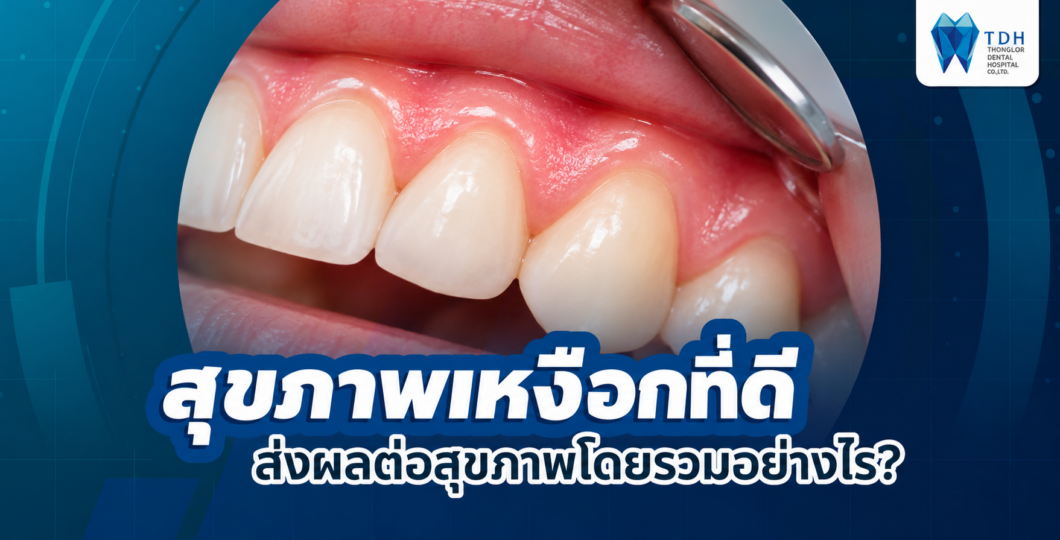
Healthy gums are generally firm, fit snugly around the teeth, and are not swollen or prone to bleeding when you brush. The color of the gums can vary from person to person.
If oral hygiene is inadequate, plaque and bacteria can build up along the gum line and cause gum disease, which falls into two main conditions:
-
Gingivitis: The gums are swollen, red or bleed easily. In its early stage, it can be reversed and the gums returned to health with appropriate care.
-
Periodontitis: Inflammation that spreads to the tissues and bone supporting the teeth. It can cause gum recession, loose teeth and tooth loss.
How Is Gum Health Related to Your Body’s Health?
Chronic gum inflammation does not affect only the mouth; it is also linked to overall health in several ways.
1. Diabetes and Blood Sugar Control
Diabetes and periodontal disease have a two-way relationship. People whose blood sugar is poorly controlled may have a higher risk of gum disease. At the same time, inflammation from periodontal disease may make blood sugar harder to control.
Caring for your gums alongside managing diabetes is therefore important for long-term health.
2. Heart and Blood Vessel Disease
Research has found a relationship between periodontal disease and cardiovascular disease. This may involve inflammatory processes in the body and shared risk factors, such as smoking and diabetes.
However, there is not yet enough evidence to confirm that gum disease is a direct cause of heart disease, or that treating gum disease can prevent heart disease.
3. Chewing and Nutrition
Severe gum disease can cause loose teeth, pain when chewing, or tooth loss, making it difficult to eat certain foods. This is especially true for older adults, and it can affect dietary variety and quality of life.
Warning Signs That Your Gums Have a Problem
If you notice any of the following, you should see a dentist for an oral examination:
-
Swollen, red gums or bleeding while brushing
-
Persistent bad breath
-
Receding gums that make your teeth look longer
-
Loose teeth or pain when chewing
-
Pus or signs of infection around the gums
Some stages of gum disease may not cause obvious pain. Regular check-ups of your teeth and gums therefore help detect abnormalities early.
How to Keep Your Gums Healthy
Preventing gum disease can start with everyday habits:
-
Brush at least twice a day with a soft-bristled brush and fluoride toothpaste.
-
Clean between your teeth every day with floss or interdental brushes as appropriate.
-
Have dental check-ups and scaling as recommended to reduce the build-up of plaque and tartar.
-
Avoid smoking, as it is a major risk factor for periodontal disease.
-
Manage underlying health conditions, especially diabetes, which is linked to gum health.
Caring for Your Gums for Long-Term Health with TDH Dental
Healthy gums are part of Dental Wellness and Healthy Aging, because gum care helps preserve the tissues that support the teeth, reduces the risk of tooth loss, and supports quality of life in the long term.
At TDH Dental, you can receive a consultation and gum health assessment from our experienced dental team, with a treatment plan such as scaling or periodontal treatment tailored to each individual.
Because good health starts with taking care of both your teeth and your gums.
What Is Good Gum Health?
Good gum health is a state in which the gum tissue and the structures supporting the teeth are in a healthy condition, free of problematic inflammation, and able to support the teeth for normal function.
Characteristics commonly seen in healthy gums include firm tissue, no noticeable swelling, and no easy bleeding when cleaned with the correct technique.
However, gums do not have to be light pink in everyone, because natural gum color can vary with pigmentation and individual characteristics.
What matters, then, is not that everyone has the same gum color, but whether there is inflammation, bleeding, deep periodontal pockets, or damage to the tissues supporting the teeth.
