

 ไทย
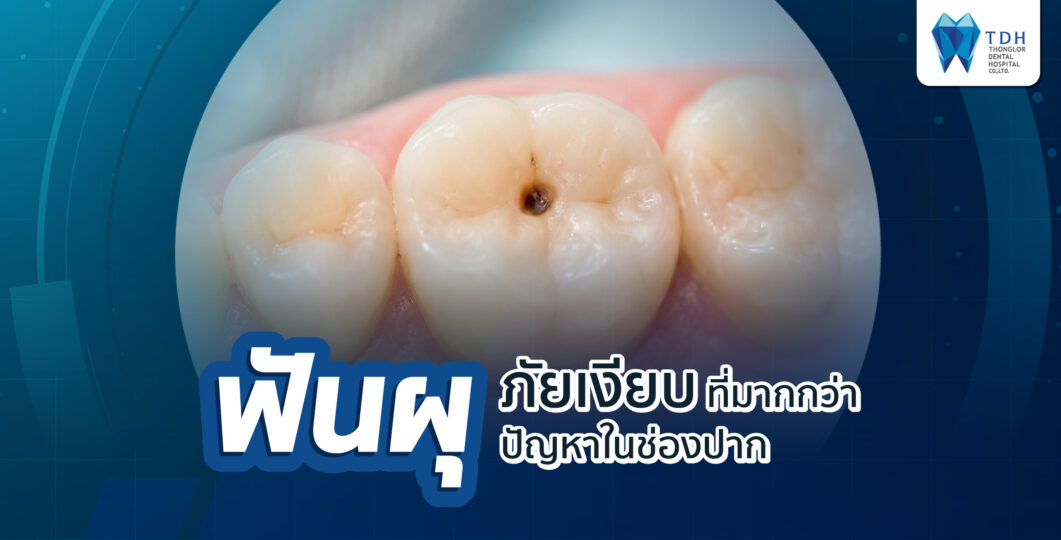
Tooth decay… a small problem you should not overlook
Many people think tooth decay is just a minor problem that causes toothache or sensitivity. In reality, tooth decay is one of the most common oral diseases, and if left untreated it can affect your overall health more than many people realise.
Tooth decay can spread from the enamel into the dentin and the pulp, leading to severe infection, tooth loss and a long-term impact on quality of life.
How does tooth decay happen?
Tooth decay is caused by the build-up of dental plaque, which contains large numbers of bacteria. When you eat or drink something sugary, these bacteria convert the sugar into acid.
The acid gradually erodes the tooth enamel, causing early-stage decay, and if it is not properly cared for, the cavity keeps getting deeper.
Warning signs of tooth decay you should not ignore
Tooth decay in its early stages may not cause obvious symptoms, so many people do not realise it until the problem becomes severe.
Common symptoms include:
- Sensitivity when eating sweet or cold foods
- White, brown or black spots on the tooth surface
- Food getting stuck between teeth unusually often
- Persistent bad breath
- Toothache that comes and goes
- Severe toothache that interferes with daily life
Tooth decay does not only affect the mouth
Many people may not know that untreated tooth decay can also affect the health of the body.
1. Increased risk of infection
When decay reaches the pulp, it can cause inflammation and infection around the tip of the tooth root.
In some cases this may lead to:
- Abscess in the mouth
- Swollen gums
- Swollen cheek
- Infection spreading to nearby organs
which may require urgent treatment.
2. Effects on eating
Toothache or sensitivity from tooth decay may make people avoid certain foods, resulting in insufficient nutrition.
Especially in children and older adults, this problem can clearly affect overall health and quality of life.
3. Impact on personality and confidence
Visible tooth decay, especially on the front teeth, may leave many people lacking the confidence to smile, speak or socialise.
In addition, bad breath caused by tooth decay can also affect relationships and professional image.
4. Risk of tooth loss
If tooth decay is treated at an early stage, a filling alone may be enough.
But if it is left to spread to the pulp, root canal treatment may be needed, and in severe cases the tooth may have to be extracted.
Losing one tooth may cause neighbouring teeth to tilt, change the bite and lead to other problems.
How to prevent tooth decay effectively
Although tooth decay is a common problem, it can be prevented with regular oral care.
Brush at least twice a day
Use fluoride toothpaste and brush correctly, especially before bed.
Floss every day
It helps remove food debris and plaque between teeth that a toothbrush cannot reach.
Cut down on sugar
Especially sweets, soft drinks and high-sugar beverages.
Drink enough plain water
Water helps wash away food debris and stimulates saliva flow, which helps reduce tooth decay.
Have regular dental check-ups
Seeing a dentist every 6 months allows decay to be detected at an early stage and treated before the problem spreads.
How should tooth decay be treated?
The treatment approach depends on the severity of the decay.
- Early-stage decay → fluoride application may be used
- Moderate decay → dental filling
- Decay reaching the pulp → root canal treatment
- Decay so severe the tooth cannot be saved → extraction and planning to replace the lost tooth
The earlier it is detected, the easier the treatment, and the more time and cost you save.
Summary
Tooth decay may seem like just a small problem in the mouth, but if left untreated it can lead to infection, tooth loss and effects on overall health.
Regular oral care together with regular dental check-ups will help reduce the risk of tooth decay and keep your smile healthy in the long term.
If you have tooth sensitivity, toothache or suspect tooth decay, consult a dentist promptly for diagnosis and treatment at an early stage, before the problem spreads.
