

 ไทย
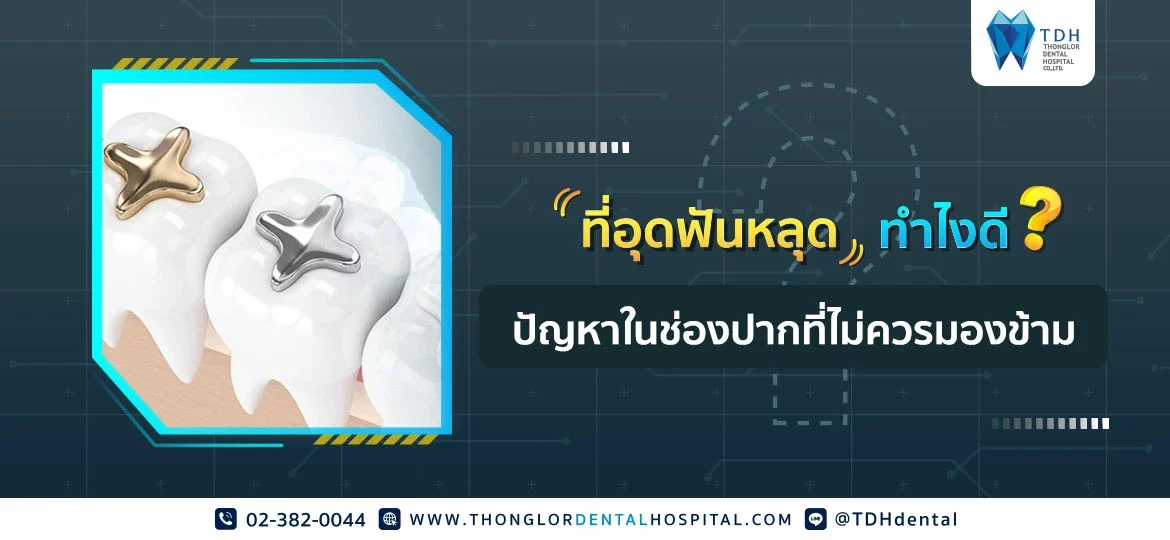
Many people have experienced a filling coming out, a problem that can happen to anyone, adults and children alike. It can have many causes, since each type of filling material has different limitations, but what they all have in common is that they cannot withstand very strong biting force, which causes the filling to come out. Some people feel nothing at all, while others have many symptoms. When a filling comes out, we should take the problem seriously from the very start, and many people wonder what harm can result if it is left alone.
Causes of Fillings Coming Out
Commonly used filling materials have a certain level of strength, but if used improperly, their quality can deteriorate. Let’s look at the common causes of fillings coming out.
- Chewing food that is too hard or sticky. Chewing very hard or very sticky food puts force on the filling, so it can easily come out or break off.
- Neglecting oral and dental hygiene. If the mouth and teeth are not cleaned properly, the filling is likely to deteriorate faster than normal and come out. Dentists therefore recommend brushing regularly at least 2 times a day with fluoride toothpaste, and changing your toothbrush every 3-4 months. Using dental floss as well also helps keep your mouth clean.
- Deterioration of the filling material. Fillings last 10 – 15 years, depending on how well each person looks after their oral health, which is why it is important to see a dentist regularly for check-ups.
What Happens If a Filling Is Left Out?
If a filling comes out and is left alone, leftover material stuck on the tooth can cause tooth sensitivity or toothache. Once the filling is gone, the area becomes a hole, exposing the tooth structure or the pulp to food and air directly, which can also cause toothache or sensitivity. In addition, if the remaining part of the tooth is sharp after the filling comes out, it may cut the tongue.
Some people may have no toothache at all, but that does not mean it is not dangerous, because once the filling is gone, nothing stops the decay, which may spread into the healthy part of the tooth. If food gets stuck there, the decay will go even deeper.
What to Do When a Filling Comes Out
- See a dentist promptly to have any remaining material removed completely and have the tooth refilled. If you really cannot see a dentist right away, do not leave it for more than 3 days.
- If a filling comes out, have it refilled. Do not leave it, because the decay may spread until the tooth can no longer be restored with a filling.
- See a dentist for an oral check-up every 6 months.
- To relieve symptoms while waiting for a new filling, if you have toothache or sensitivity, you can take pain relievers, but be careful to check first that you are not allergic to them.
- Floss regularly to remove food stuck between the teeth.
- Be careful when chewing to prevent the filling from breaking further.
- Avoid hard, sticky and crunchy foods, because chewing hard food makes toothache worse, and avoid very sweet, very cold and very hot foods to prevent possible tooth sensitivity.
- Brush properly and thoroughly, and rinse your mouth with salt water.
Prevention Tips from TDH Dental Dentists to Stop Fillings from Coming Out
If you already have fillings, or have had a new filling placed after one came out, caring for it and preventing it from coming out follows the same aftercare as after a normal filling. That is, avoid using or chewing on the filled side for at least the first 24 hours, and do not eat hard, crunchy or very sticky foods, as they can make the filling come out or break. If food gets stuck between your teeth, we recommend using dental floss or interdental brushes instead of toothpicks, which can cause gum inflammation. Most importantly, have your oral health checked by a dentist every 6 months.
If you are having a problem with a filling coming out or need a filling and are looking for a dental clinic that meets standards, every filling treatment at TDH Dental clinic is carried out by experienced dentists using well-standardized dental equipment and filling materials. This helps reduce toothache after a new filling and the problem of fillings coming out, and we follow the correct procedures. If you have pain after a filling, you can make an appointment through our online form, and our staff will pass it to the dentist to assess and schedule your visit. This means we look after you even before an appointment is made, helping you feel less worried and receive correct advice from the dentist.
