
 ไทย
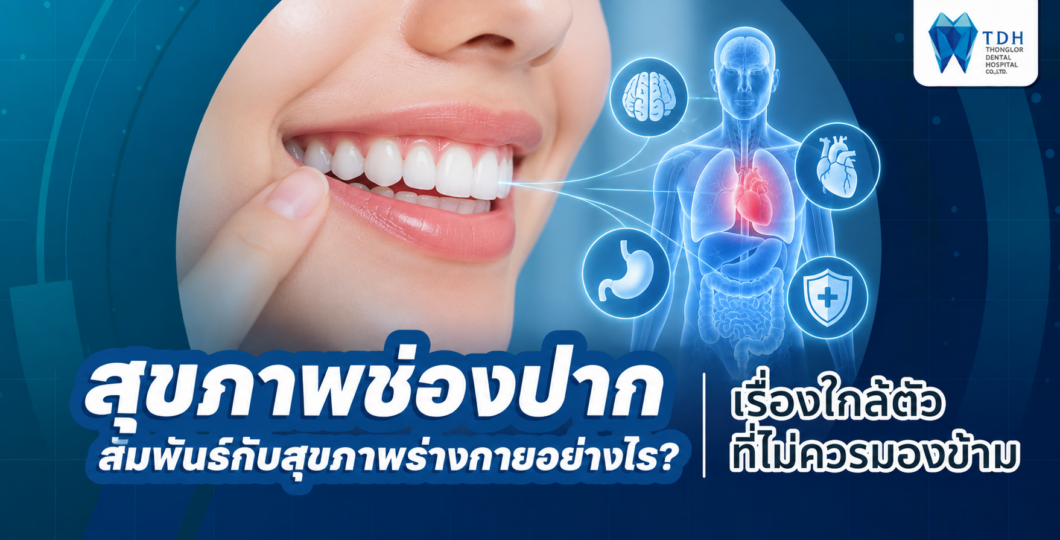
Many people think oral care is only about tooth decay, bad breath or the beauty of a smile, but in fact oral health and general health are more closely linked than you might think. The mouth is part of the body’s systems, and certain problems, such as gum disease, tooth loss or oral infections, may be related to long-term health and quality of life.
Why is oral health important for overall health?
The mouth is the starting point of the digestive system and plays an important role in chewing, swallowing, speaking and daily life.
Many kinds of microorganisms naturally live in the mouth, but if oral hygiene is inadequate, plaque can accumulate and the gums can become inflamed, which may affect the tissues and structures that support the teeth.
In addition, research has found associations between oral diseases and some diseases of the body, although these associations do not mean that oral disease is the direct cause of every disease.
Which diseases and areas of health are related to oral health?
1. Diabetes and gum health
Diabetes and periodontal disease have a two-way relationship. People who do not control their blood sugar well may be at greater risk of developing gum disease. At the same time, inflammation from periodontal disease may make blood sugar harder to control.
People with diabetes should therefore pay attention to gum check-ups and oral hygiene alongside treatment of their underlying condition.
2. Cardiovascular disease
Research has found an association between periodontal disease and cardiovascular disease, which may be related to inflammatory processes in the body as well as shared risk factors such as smoking and diabetes.
However, there is not yet enough evidence to confirm that gum disease is the direct cause of heart disease, or that treating gum disease can prevent heart disease.
3. Chewing and nutrition
Having strong teeth allows you to chew food efficiently, but severe tooth decay, loose teeth or the loss of several teeth can limit the foods you are able to eat.
Especially in older adults, chewing problems may affect the variety of foods eaten and increase the risk of not getting enough nutrients.
4. Sleep health and the jaw
Some problems in the mouth may be related to sleep, such as teeth grinding during sleep, which can cause jaw pain, temple pain or tooth wear.
In addition, dentists have a role in screening for the risk of obstructive sleep apnea in some patients before referring them to a doctor for appropriate diagnosis.
Oral health warning signs you should not overlook
Some oral health problems may not cause pain in the early stages, so you should watch for abnormalities such as:
-
Swollen, red or bleeding gums when brushing
-
Chronic bad breath
-
Loose teeth or difficulty chewing
-
Frequent dry mouth or tooth sensitivity
-
Mouth sores that do not heal within 2 weeks
If you notice these symptoms, you should have an examination to assess the cause and plan appropriate treatment.
5 ways to care for your oral health for long-term wellbeing
Caring for your oral health can start with simple everyday habits:
-
Brush your teeth at least twice a day with fluoride toothpaste
-
Clean between your teeth every day with dental floss or suitable interdental brushes
-
Reduce foods and drinks high in sugar to lower the risk of tooth decay
-
Avoid smoking, which is a major risk factor for periodontal disease and other oral diseases
-
Have regular oral check-ups as advised by your dentist, to find problems at an early stage
Caring for your oral health for good health at every age with TDH Dental
The Dental Wellness & Longevity approach views oral care as part of holistic health, focusing on prevention, treatment and appropriately maintaining the function of your teeth in the long term.
At TDH Dental, you can have a consultation with our experienced dental team to assess your teeth, gums and chewing, and plan oral care suited to you as an individual.
Because good health does not begin with caring for the body alone, but can begin with paying attention to your oral health every day.
