
 ไทย
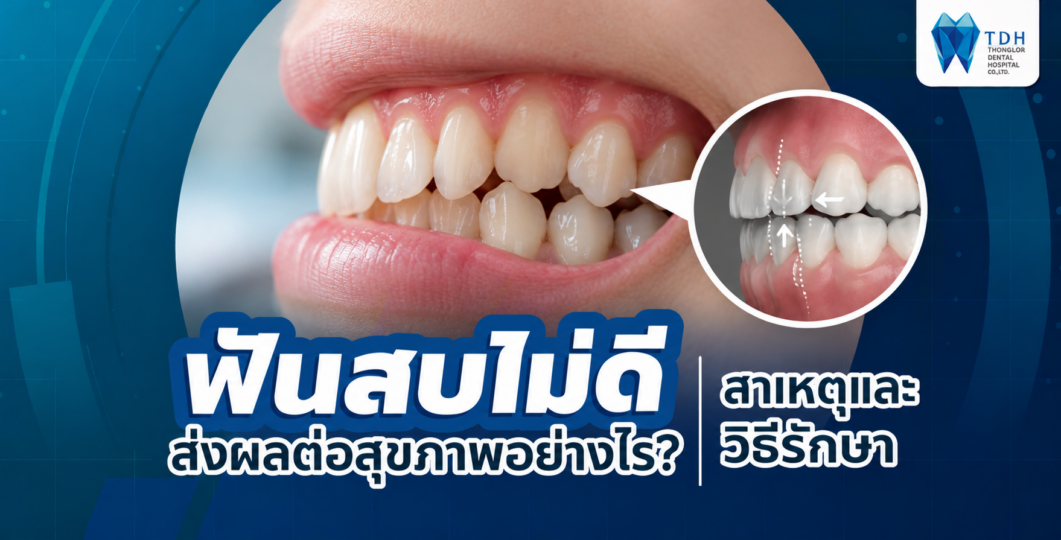
Malocclusion (a poor bite) is a condition in which the upper and lower teeth are arranged or meet improperly. It can appear as crowded or crooked teeth, protruding teeth, an open bite or a crossbite. Besides affecting the appearance of your smile, it can also cause problems with chewing, cleaning your teeth and using your jaw. Understanding the causes and treatment options is important for long-term oral health.
What Is a Poor Bite?
A poor bite, or abnormal bite, is a condition in which the position of the teeth or the relationship between the upper and lower jaws is not ideal. Common types include:
-
Crowding: Teeth are squeezed or overlapping because there is not enough space in the jaw.
-
Protrusion: The front teeth, especially the upper ones, stick out more than normal.
-
Open Bite: Some upper and lower teeth do not touch when you bite down.
-
Crossbite: Some upper teeth sit behind (inside) the lower teeth.
-
Deep Bite: The upper front teeth overlap the lower front teeth more than normal.
The severity varies from person to person, and not every case needs braces or immediate treatment.
What Causes a Poor Bite?
Abnormal bites can result from several factors combined, including:
-
Genetics: Tooth size, jaw shape and the relationship between the jaws may be influenced by genetics.
-
Childhood habits: Prolonged thumb sucking or pacifier use may affect the alignment of the teeth.
-
Premature tooth loss: This may cause neighboring teeth to shift into the gap, affecting the bite.
-
Growth abnormalities: Unbalanced development of the upper and lower jaws can lead to bite problems.
How Does a Poor Bite Affect Your Health?
Some types of abnormal bite can affect oral health and daily life, as follows:
1. Difficulty Chewing
When the upper and lower teeth do not meet properly, biting or chewing certain foods may be difficult, especially for people with an open bite or a severe bite abnormality.
2. Harder to Clean the Teeth
Crowded teeth can make brushing and flossing more difficult, leading to plaque buildup and a higher risk of cavities or gum disease if cleaning is not thorough.
3. Tooth Wear or Abnormal Impact Forces
Certain bite patterns may cause some teeth to take more force than normal, or to wear down in specific spots. Tooth wear can also be caused by teeth grinding and other factors.
4. Affecting Your Confidence in Smiling
Protruding teeth, crowded teeth or unbalanced tooth alignment may make some people feel less confident when smiling or talking, which can affect social quality of life and self-confidence.
Good to know: Although some people with an abnormal bite have jaw pain, there is not yet enough evidence to conclude that a poor bite is the direct cause of temporomandibular disorders (TMD) in every case.
How Is a Poor Bite Treated?
The treatment approach depends on the type of bite abnormality, age, oral health and severity. Options that may be considered include:
-
Fixed braces: Help reposition the teeth and correct bite problems according to the treatment plan.
-
Invisalign clear aligners: Another option for moving teeth and adjusting the bite in suitable cases.
-
Orthodontics for children: Helps assess and plan the care of tooth and jaw growth.
-
Treatment combined with jaw surgery: May be necessary for people with a severe abnormality of the jaw structure.
In some cases where there are no functional problems or risks to oral health, it may be enough to simply monitor the condition as advised by your dentist.
Caring for a Poor Bite With TDH Dental
A proper bite is important for tooth function and long-term oral health. If you have crowded teeth, protruding teeth or difficulty chewing, you should get an assessment so appropriate care can be planned.
At TDH Dental, you can consult our experienced dental team to assess your tooth alignment and the relationship of your jaws, and to consider orthodontic options such as Invisalign or other types of braces according to each person’s indications.
Because orthodontic treatment is not only about a beautiful smile, but also about keeping your teeth functioning well over the long term.
