

 ไทย
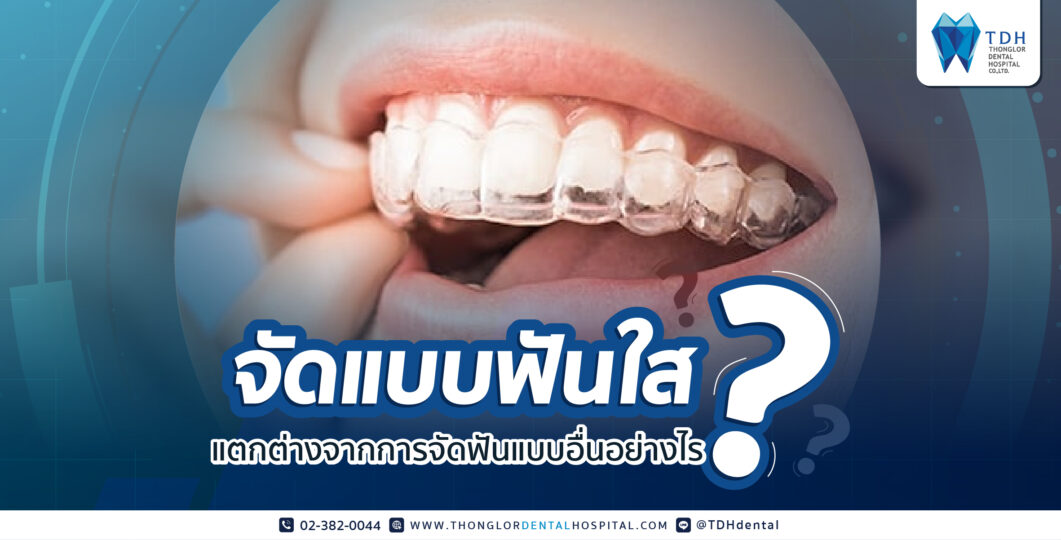
Orthodontic treatment is one way to correct crooked or crowded teeth, gaps between teeth and bite problems. Besides improving the alignment of your teeth, it can also make teeth easier to clean in some cases. Today there are many types of braces, including metal braces, ceramic braces, Damon braces and clear aligners.
In particular, Invisalign clear aligners have attracted people who want to straighten their teeth without metal appliances on the tooth surface, because the aligners are clear, removable and allow more flexibility in daily life.
However, each type of orthodontic treatment has its own advantages and limitations. Are clear aligners really better than other types of braces? And which option suits your own teeth? Let’s understand the differences before deciding.
What Are Clear Aligners?
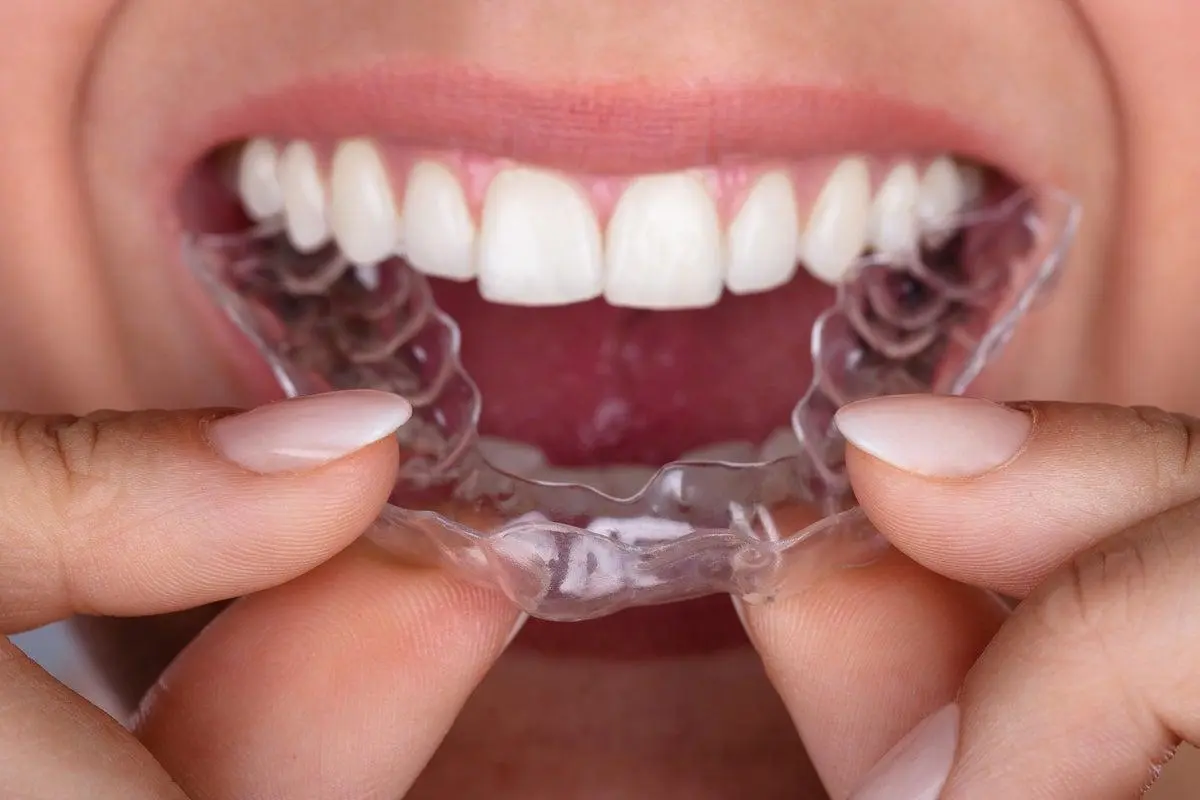
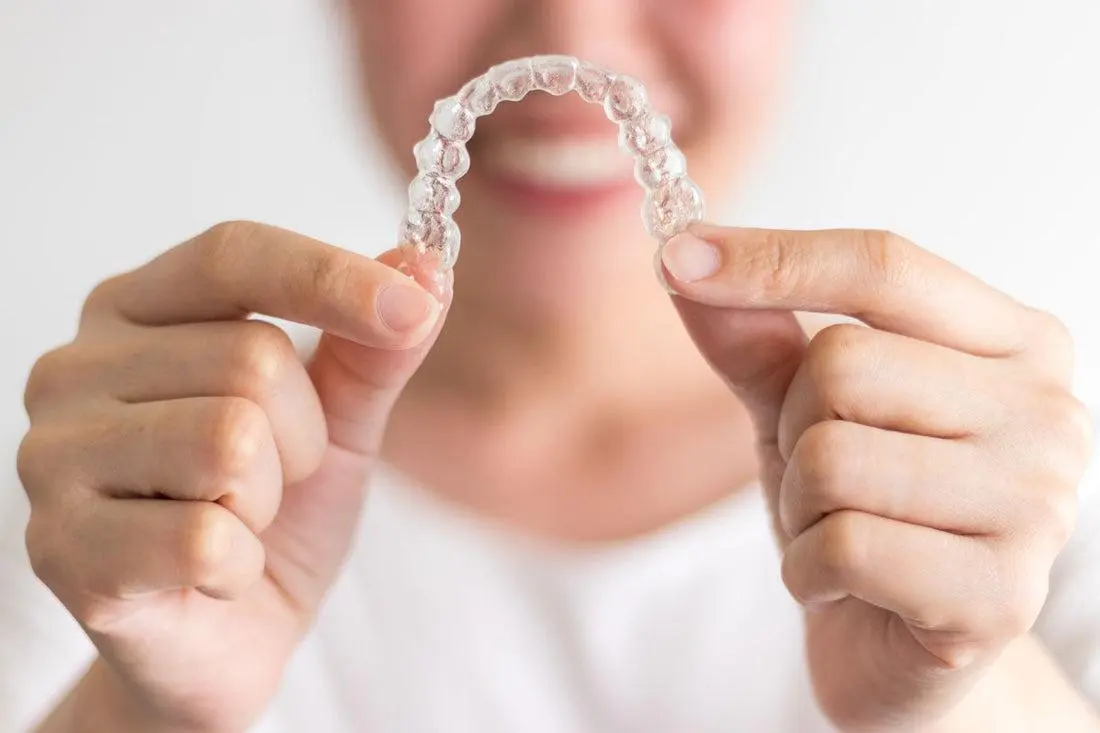
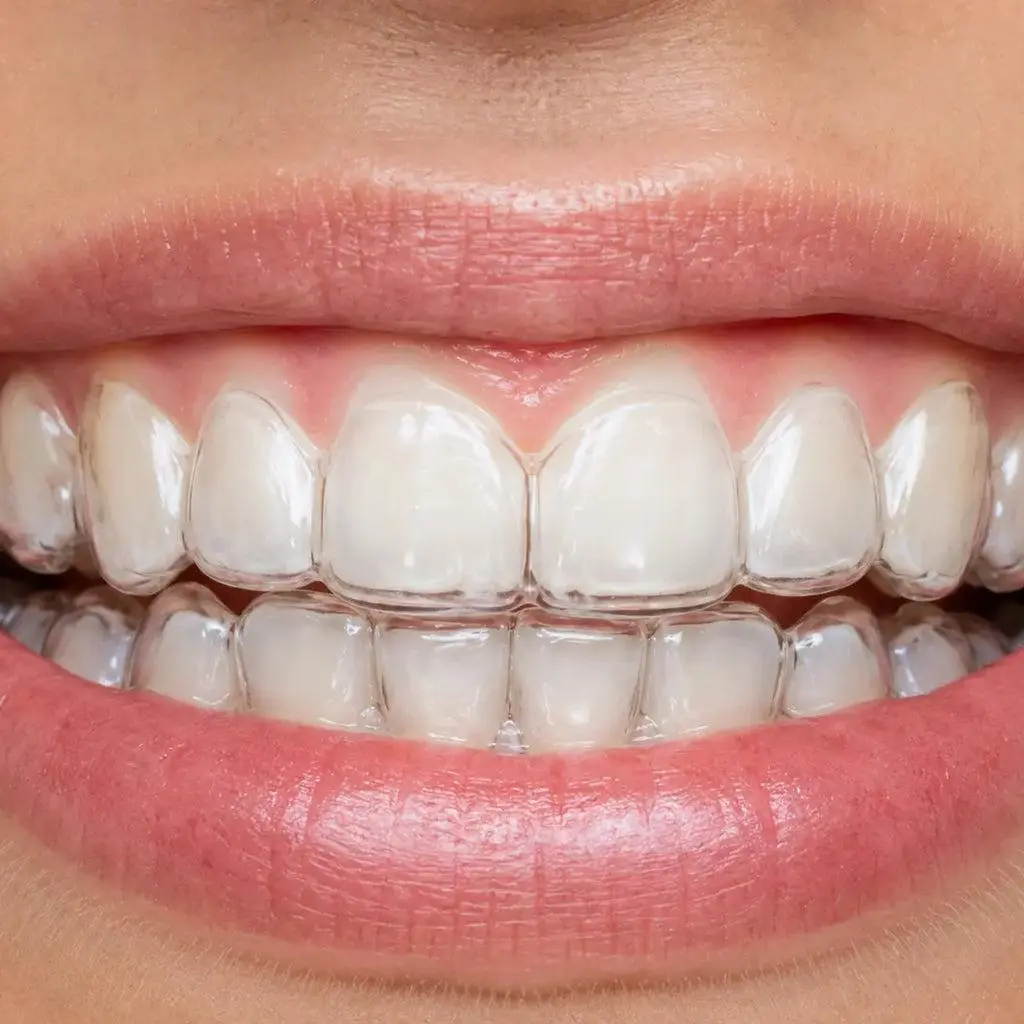
Clear aligners are an orthodontic treatment that uses clear plastic trays made to fit each person’s teeth. The trays gradually apply controlled force to move the teeth according to the treatment plan set by the dentist.
During treatment, you receive a series of clear aligners and switch to the next set at the interval your dentist specifies, so that the teeth move a little at a time until they reach their target positions.
One well-known clear aligner system is Invisalign, which uses digital technology to plan tooth movement. Dentists can assess and simulate the treatment approach on a computer.
The key strengths of clear aligners are that they are transparent and can be removed when eating, brushing and flossing. However, they must be worn for the prescribed time, generally about 20-22 hours a day.
How Do Clear Aligners Differ from Other Types of Braces?
Although every type of braces aims to correct tooth position and bite, the main differences lie in the appliance itself, how tooth movement is controlled, and how you care for your teeth during treatment.
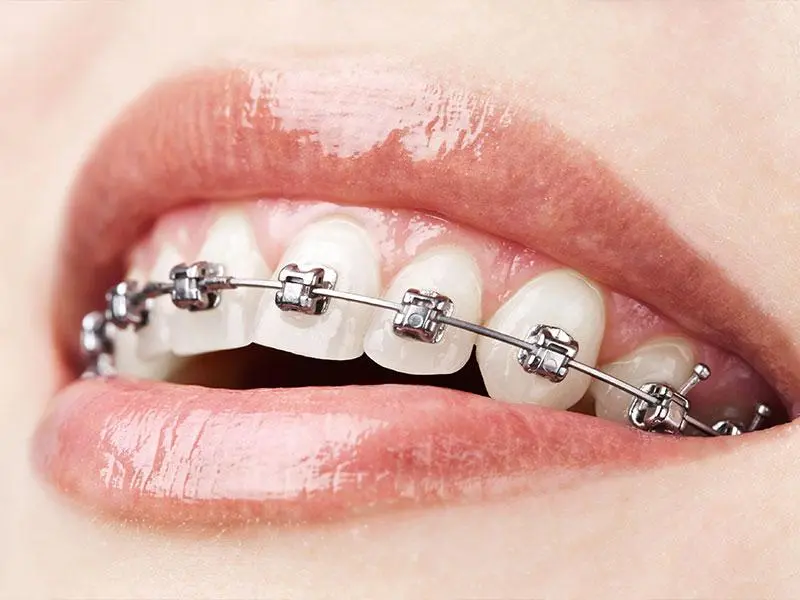
1. Metal Braces
Metal brackets are bonded to the tooth surface and used with an archwire to control tooth movement. They suit many levels of alignment and bite problems, including some complex cases, but the appliance is clearly visible and cannot be removed by yourself.
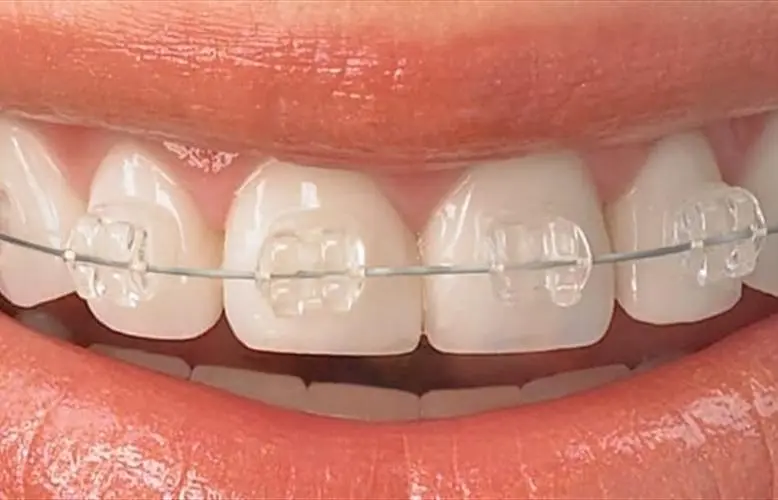
2. Ceramic Braces
They work on a similar principle to metal braces, but use brackets in a colour close to natural teeth, so they are harder to notice than standard metal braces. However, wires and appliances remain attached to the teeth throughout treatment.
3. Damon Braces
This is a self-ligating bracket system with a built-in mechanism that holds the wire inside the bracket. In general, it does not need the traditional elastic ties on each tooth, but it is still a fixed appliance that you cannot remove yourself.
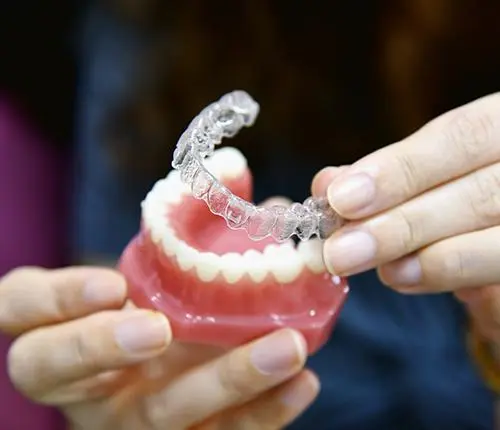
4. Clear Aligners
They use clear appliances made to fit each person’s teeth and can be removed. There are no fixed brackets or wires, although in some cases tooth-coloured attachments may be needed to help control the direction of tooth movement.
Note that self-ligating braces are not necessarily faster or more suitable than other types of braces in every case. The results depend on the nature of your teeth and your individual treatment plan.
Comparison Table: Clear Aligners vs Other Types of Braces
|
Topic |
Clear aligners |
Metal braces |
Ceramic / Damon braces |
|---|---|---|---|
|
Appearance |
Clear appliance, hard to notice |
Appliance clearly visible |
Ceramic blends with the teeth; Damon comes in several materials |
|
Removing the appliance |
Removable by yourself |
Cannot be removed by yourself |
Cannot be removed by yourself |
|
Eating |
Remove before eating |
Need to be careful with hard and sticky foods |
Need to be careful with certain foods |
|
Cleaning |
Easy to brush and floss once the aligners are removed |
Need to clean around the brackets |
Need to clean around the brackets |
|
Patient cooperation |
Requires discipline in wearing the aligners |
No need to keep taking it in and out |
No need to keep taking it in and out |
|
Suitability |
Can treat many cases, but has limitations in some |
Can handle a wide range of complex problems |
Depends on the system and treatment plan |
5 Advantages of Clear Aligners Compared with Other Braces
1. Clear aligners help you feel confident during treatment
Clear aligners are transparent plastic trays that fit closely against the tooth surface, making them harder to see than metal braces. They suit people who meet others often, work in roles where appearance matters, or simply do not want their braces to be obvious.
However, in some cases attachments or other auxiliary devices are needed, which may make the appliance slightly noticeable.
2. Removable, so eating is more convenient
One key difference is that clear aligners can be removed before meals, so you do not need to avoid certain foods for fear of a bracket coming loose, as with fixed braces.
But you should remove the aligners before eating or drinking anything other than plain water, and clean your teeth before putting the aligners back in.
3. Easier oral hygiene
Because the aligners can be taken out, you can brush and floss normally without having to clean around wires and brackets.
However, if you skip brushing before putting the aligners back in, food debris and sugar may stay in contact with your teeth for a long time, increasing the risk of oral health problems.
4. Less irritation from wires and brackets
Clear aligners have no metal wires or fixed brackets, which reduces the chance of rubbing from these components.
However, you may feel some tightness or mild tooth soreness when changing to a new set of aligners, since this is when force is applied to the teeth to make them move.
5. Digital technology helps plan treatment
Many clear aligner systems, such as Invisalign, use tooth scans and software to help design the sequence of tooth movement.
This allows patients to understand the treatment approach through a simulation before starting. However, the simulation is a predicted treatment plan, not a guarantee that the result will match the images exactly.
Limitations of Clear Aligners to Know Before You Decide
Although clear aligners have many advantages, they are not suitable for everyone. Important points to consider include:
-
Discipline is required. Aligners should generally be worn about 20-22 hours a day, or as your dentist advises. If you remove them often or do not wear them for the full time, your teeth may not move as planned.
-
Some tooth problems can be more complex, such as severe bite problems or certain types of tooth movement, which may require auxiliary devices or consideration of another type of braces as well.
-
The aligners need proper care. Because they are removable, they can be lost or damaged during use.
-
Costs vary with the system and the complexity of treatment, so you should compare the overall treatment plan, not just the starting price.
Clear aligner treatment should be assessed and monitored by a dentist, so that tooth movement can be checked and the treatment plan adjusted when necessary.
Clear Aligners or Metal Braces: Which Takes Less Time?
It cannot be said that clear aligners or metal braces are faster in every case, because treatment time depends on many factors, such as:
- The degree of crowding and the severity of the bite problem
- The number of teeth to be moved and the direction of movement
- Whether tooth extraction or auxiliary devices are needed
- Cooperation in following the treatment plan
- How each person’s teeth and tissues respond
*According to Invisalign Thailand, the average treatment time for adults is about 12-18 months, but the actual time may be shorter or longer depending on the complexity of each case.
Therefore, anyone who wants braces should have a dentist assess them first, in order to choose a suitable treatment and estimate a realistic treatment time.
Who Are Clear Aligners Suitable For?
Clear aligners may be a good option for people with the following characteristics.
-
People with crowded or crooked teeth, gaps, or bite problems that can be treated with clear aligners
-
People who want to maintain their appearance and confidence during treatment
-
People who regularly meet others or speak as part of their work
-
People who want it to be easy to brush and floss
-
People who can be disciplined about wearing the aligners consistently
Clear aligners are not limited to adults. Some children and teenagers can also have clear aligner treatment, but this must be assessed based on the development of the teeth and jaws, as well as the suitability of the treatment plan.
Frequently Asked Questions About Clear Aligners (FAQ)
Both types of braces can cause tightness or soreness from the force used to move the teeth. Clear aligners may reduce irritation from wires and brackets, but the level of discomfort varies from person to person.
Not in every case. Extraction depends on the amount of space in the mouth, the degree of crowding and the treatment plan. In some cases clear aligners can be used without extractions, while in others extraction may be necessary to achieve a suitable result.
You can eat normally after removing the aligners, but you should brush or clean your mouth before putting them back in, to help reduce the build-up of food debris and bacteria.
Generally about 20-22 hours a day, or as your dentist advises. Wearing the aligners consistently is a key factor in how well treatment works.
Yes, as with other types of braces, to help keep the teeth in position after treatment and reduce the chance of them moving back. Your dentist will determine the type of retainer and how long you should wear it.
Invisalign at TDH Dental: An Option for a Confident Smile
Choosing the right type of braces should not depend only on how the appliance looks. It should also take into account your tooth alignment, bite, oral health and lifestyle.
At TDH Dental, we offer Invisalign clear aligners with an experienced team of dentists, along with an assessment of your teeth and a suitable treatment plan, so that patients can decide on the type of braces that meets their needs.
If you are interested in clear aligners, or are not sure how they differ from metal braces, you can have an examination and consultation with a TDH Dental dentist to plan long-term care for your smile.
Because a good smile does not depend on choosing the most modern appliance, but on choosing the treatment that is right for you.
