
 ไทย
Why Is Dental Care Important?
Good oral health does more than keep your teeth white and clean and your breath fresh; it also affects your overall health. Problems such as tooth decay, gum inflammation or tooth loss can affect eating, speaking and quality of life in the long term.
Caring for your teeth properly starting today is therefore a worthwhile investment in your smile and your future health.
1. Brush Correctly, Twice a Day
Brushing is the foundation of oral care. You should brush at least twice a day:
- After breakfast
- Before bed
Use a fluoride toothpaste and brush for about 2 minutes each time.
Correct Brushing Technique
- Hold the brush at about a 45-degree angle to the gum line
- Brush in small circles or gentle sweeping motions
- Brush every surface of every tooth
- Don’t forget to brush your tongue to reduce the build-up of bacteria
2. Floss Regularly
Although brushing removes plaque well, it cannot clean all the areas between the teeth.
Flossing at least once a day helps to:
- Reduce food debris build-up
- Prevent cavities between the teeth
- Lower the risk of gum disease
- Reduce bad breath
3. Choose Tooth-Friendly Foods
Food has a direct effect on oral health.
Foods to Eat
- Fresh vegetables and fruit
- Milk, cheese and yogurt
- Fish and other calcium-rich foods
- Clean drinking water
Foods to Avoid
- High-sugar drinks
- Soda
- Sweets and desserts
- Sticky foods that cling to the teeth
After eating sweets, rinse your mouth with clean water, or brush your teeth about 30 minutes later.
4. Drink Enough Water
Water stimulates saliva production, which plays an important role in:
- Washing away food debris
- Reducing acid in the mouth
- Preventing tooth decay
Drinking water regularly throughout the day is a simple and effective way to look after your teeth.
5. Avoid Habits That Harm Your Teeth
Some habits can wear down or damage the teeth without you realizing it, such as:
- Biting hard objects with your teeth
- Chewing ice
- Biting your nails
- Smoking
- Drinking alcohol regularly
Cutting down or quitting these habits can greatly extend the life of your natural teeth.
6. Have a Dental Check-Up Every 6 Months
Many people only see a dentist once they have a toothache, but in fact regular check-ups every 6 months help to:
- Detect cavities at an early stage
- Prevent gum disease
- Remove tartar and built-up deposits
- Reduce the cost of complex treatment in the future
Prevention is always better than cure.
7. Look After Your Gums as Well as Your Teeth
The gums are the foundation of the teeth. Gum inflammation or periodontal disease can lead to loose teeth and, eventually, tooth loss.
Signs that you should see a dentist promptly include:
- Red, swollen gums
- Bleeding while brushing
- Persistent bad breath
- Loose teeth
8. Use Additional Oral Care Tools as Appropriate
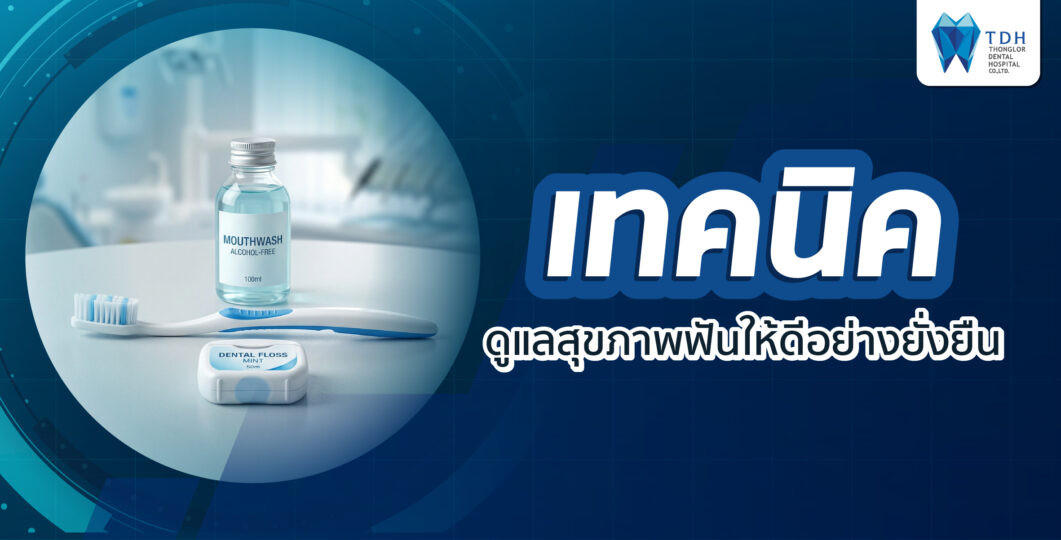
In addition to a toothbrush and floss, you may use extra tools such as:
- Interdental brushes
- Water flossers (oral irrigators)
- Mouthwash
- Electric toothbrushes
Choose tools that suit the condition of your mouth and follow your dentist’s recommendations.
Summary: Care for Your Teeth Today for a Healthy Smile Tomorrow
Keeping your teeth healthy for the long term is not difficult. By simply brushing correctly, flossing, eating nutritious food and having regular dental check-ups, you can effectively reduce the risk of dental problems.
Good oral health not only lets you smile with confidence, but also benefits your overall health and quality of life in the long run.
