
 ไทย
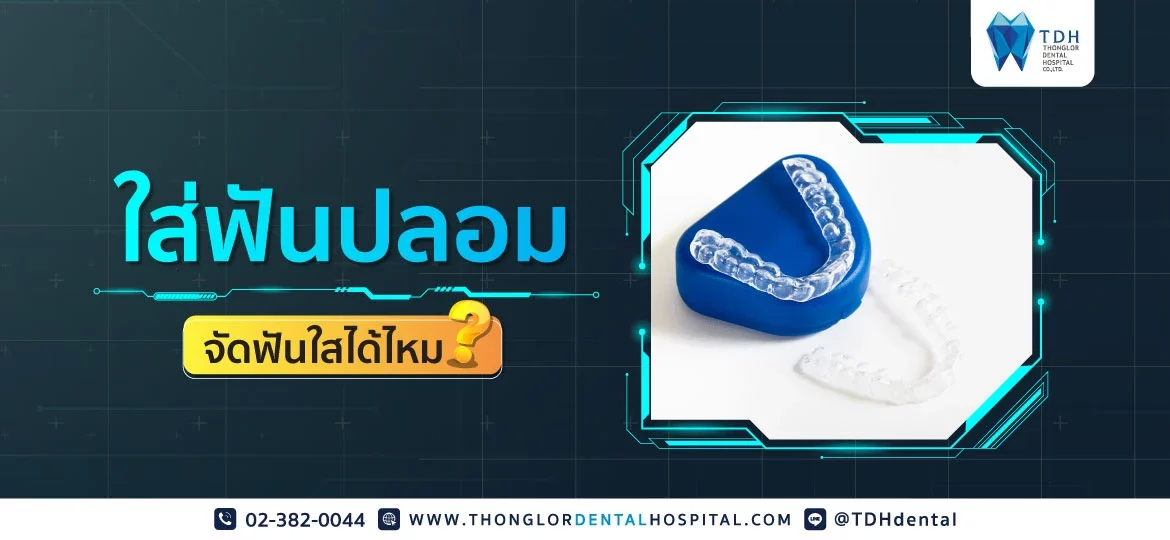
A smile with neatly aligned teeth makes people feel confident and eager to show it off. But many factors, especially ageing, can mean teeth no longer line up perfectly. Dentures are an important help, especially if you have lost natural teeth or do not have a full set. As well as restoring a bright smile, dentures give you working teeth back as replacements. This article explains everything about how many types of dentures there are, how each differs, and which type suits whom, so that anyone interested in dentures but still hesitant can decide more easily.
What are dentures, and what types are there?
Dentures (false teeth) are devices made to look like real teeth in shape and colour, to replace natural teeth that have been lost. As well as filling the gaps and improving chewing, dentures help prevent other teeth from tilting and can improve the bite. Medically, dentures fall into 2 main types: removable dentures and fixed dentures. Let’s see how they differ.
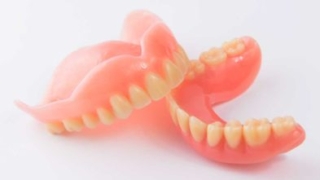
Differences between removable and fixed dentures
Removable dentures
are dentures that can be taken out to clean outside the mouth and put back in when needed. The appliance has a base made of plastic or metal that sits on the gum ridge or against the palate, with clasps to hold it in place. Removable dentures suit people with few natural teeth left or none at all. They come as partial dentures, which replace only some missing teeth, and full dentures, which replace all the teeth in the mouth.
Advantages of removable dentures
- Can replace several missing teeth, or all the teeth in the mouth
- Easy to take out and clean
- Cheaper than fixed dentures (depending on the number of teeth and the materials used)
Disadvantages of removable dentures
- Less strong and less efficient for chewing than fixed dentures
- The denture base that rests on the palate may feel bothersome when speaking or chewing
- Clasps are needed, and when you smile the denture clasps may be visible, so they look less natural
- The gum-coloured acrylic and clasps may deteriorate over time
Fixed dentures
are permanent dentures that stay firmly in the mouth and cannot be removed. The dentist grinds down and crowns the neighbouring teeth to anchor the denture firmly, which is known as a “dental bridge”, or alternatively dental implants are placed in the jawbone to hold the denture that is fitted on top. Fixed dentures suit people who are missing only some teeth and want a strong, attractive replacement that looks like real teeth, and who do not want to take the denture out for frequent cleaning.
Advantages of fixed dentures
- Strong and durable, and do not come loose easily
- Chewing efficiency comparable to real teeth
- Comfortable to wear because there are no clasps or denture base
- Look attractive and natural
Disadvantages of fixed dentures
- The neighbouring teeth need to be ground down, so some tooth structure is lost
- Cannot be taken out for cleaning, and if teeth are not brushed well, decay can develop under the crown
- More expensive than removable dentures
- More complex and difficult to do, and must be treated by a dentist with specialised experience
Which type of denture suits us?
Suitability depends mainly on the condition of your teeth and your needs. For people with few natural teeth left, removable dentures are more convenient and better value. For people who have lost only a few teeth, fixed dentures are more suitable, as you get strong, durable teeth that look like real teeth and are not bothersome to wear.
Can you wear dentures and have clear aligner treatment?
It depends on which type of denture you choose. With fixed dentures, whether a dental bridge or implants, you can have clear aligner treatment as normal, as if they were real teeth in every respect.
Come and win back a confident smile by restoring damaged teeth with dentures to a high standard at TDH Dental, a dental clinic certified to ISO 9001:2015, with specialist dentists experienced in dentures, ready to offer denture consultations and comprehensive care, with a full range of modern dental equipment so that you receive smooth, safe and truly satisfying treatment.
