
 ไทย
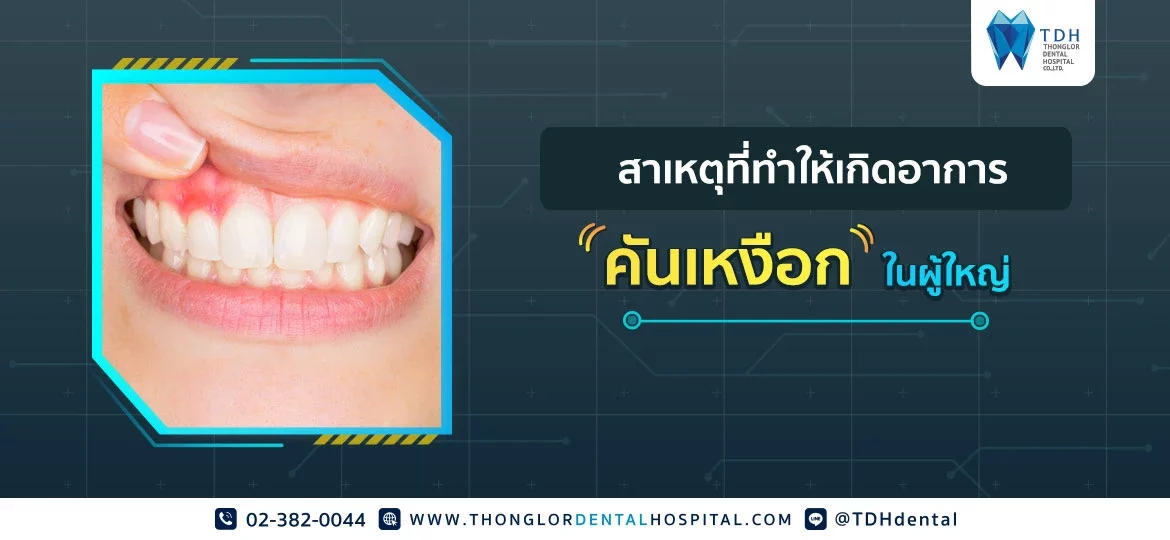
Itchy gums most often occur in young children whose teeth are about to come in. In adults, however, itchy gums can be a sign of various conditions, including gum disease. If you have ever experienced “itchy gums” and want to know the causes and the solutions recommended by dentists, today TDH Dental has advice from TDH dentists to share.
Causes of Itchy and Irritated Gums
1. Plaque buildup
Plaque is a sticky film formed when food debris mixes with bacteria and clings to the spaces between the teeth. If oral hygiene is poor, this plaque can cause problems such as gum disease. Plaque can also cause bleeding while brushing and itchy gums.
2. Gum health problems
Neglecting oral care can lead to itchy or swollen gums. Itchy gums are not as serious as the swelling and bleeding caused by gum health problems. Fortunately, root planing by a dental professional, together with good oral care at home such as using mouthwash every day, will help prevent itchy gums and further gum problems.
3. Gum inflammation
This is caused by not brushing the teeth thoroughly and poor care of the mouth and teeth, so that bacteria build up and turn into tartar that clings to the spaces between the teeth. If it accumulates for a long time, the gums will become swollen and inflamed. Besides cleanliness, other factors can also cause swollen gums, including smoking, impacted teeth in the mouth, wearing braces, certain medications such as birth control pills, nutritional deficiency, and even genetic factors.
4. Gum injury
When the gums are injured, you may feel pain and discomfort in the gums, along with itchy gums. The injury may result from trauma. In addition, vaping (e-cigarettes) can irritate the gums and make them itchy.
5. Allergies
Allergies cause itching in the eyes, nose and skin, and sometimes in the gums too. Itching in the mouth is usually triggered by two main causes: certain products, such as toothpaste and mouthwash, that contain specific ingredients which may irritate the gums and cause inflammation and itching; and allergic reactions in the mouth, which may cause swollen lips, a scratchy throat, and an itchy mouth and gums.
6. Ill-fitting dental appliances
People who wear dentures, whether full or partial, may experience itchy gums. When a gap forms between the denture and the gums, food debris can get trapped in it, allowing bacteria to grow and leading to inflammation and itchy gums.
7. Hormonal changes
Natural hormonal changes can affect how the gums feel. Women are more likely than men to have itchy gums because of changes in sex hormone levels during their reproductive years.
8. Lifestyle habits
Smoking, not getting enough rest, and unhealthy eating habits such as drinking soft drinks or eating fried food, as well as not brushing the teeth right after eating such foods.
How to Relieve Itchy Gums Yourself
In the early stage, when symptoms are not yet severe, there are still ways to treat it, and you can treat it yourself with these simple methods:
- Drink at least 8 glasses of clean water a day to help stimulate saliva production.
- Avoid sugary foods, which cause tooth decay.
- Use mouthwash to kill bacteria and plaque left over from food debris.
- If the gums are swollen, apply ice or a cold, damp cloth to relieve the pain.
- Avoid smoking.
- Take a painkiller or paracetamol to relieve the pain.
If you have severe itchy or swollen gums, or chronic pain and swelling that is difficult to treat yourself, it is best to see a dentist. Do not buy medication for gum inflammation to take on your own, because if the condition becomes more severe it can lead to periodontal disease, which damages the bone and tissues that support the teeth to the point that they cannot be restored to their original condition.
How to Prevent “Itchy Gums”
- Use a mild mouthwash to reduce irritation, or use dental floss to clean away dirt.
- Eat nutritious food from all 5 food groups, or choose foods high in calcium and vitamin C to strengthen the gums and teeth.
- Watch for abnormal signs in your teeth and gums so they can be treated promptly. Avoid soft drinks and sweet foods that cause tooth decay.
- Brush your teeth at least twice a day, or after meals, and brush with the correct technique.
- See a dentist for an oral health check-up every 6 months to get advice and guidance on proper oral care.
Gum (Periodontal) Treatment at TDH Dental
TDH Dental offers comprehensive services in periodontology, commonly known as “gum disease,” which is an inflammation or infection of the periodontal tissues: the gums, the bone around the teeth and the periodontal ligaments, all of which support and hold the teeth in place. Periodontal treatment at TDH Dental comes with modern tools and equipment, including the latest iTero Element Plus Series 5D dental scanner, a CT scan machine, a Kodak 8000C X-ray machine and a Digital Data Studio room.
